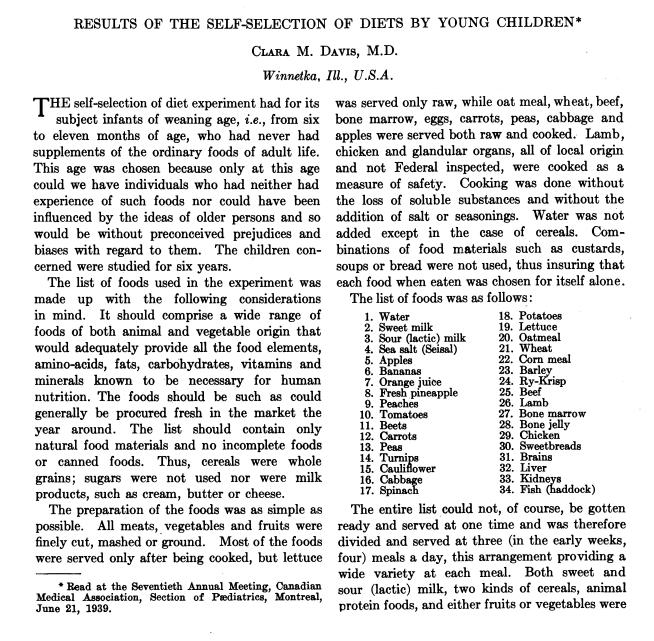
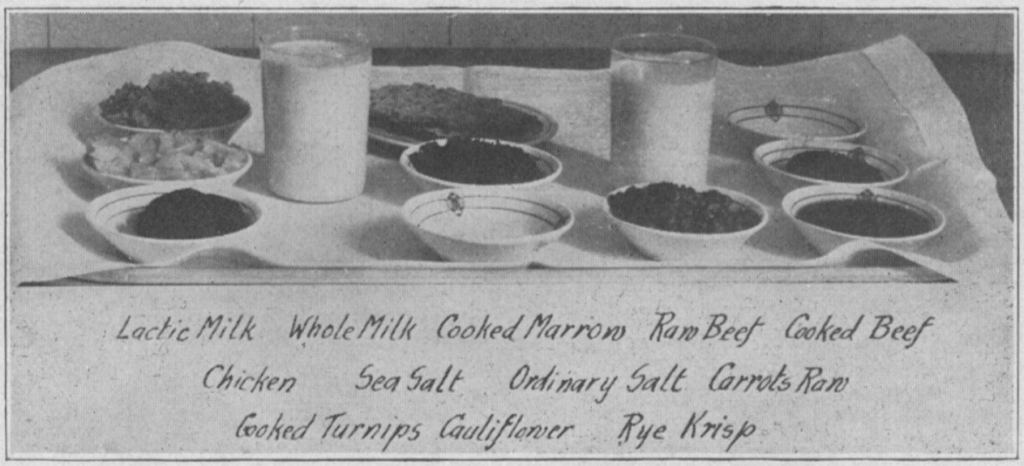
The installation “Davis’ Granary” draws its inspiration from a 1939 study by Clara M. Davis. In that research Davis explored the seemingly instinctive way toddlers pick their food. Over six years, children who had just weaned were allowed to choose their own meals from a child‑friendly buffet served three times daily. The buffet offered about 40 basic food items, and the children’s taste alone guided their selections.
Even though a healthy diet requires a virtually endless array of nutrients, minerals, vitamins and other essential substances, the children flourished. At first they tried whatever looked appealing; over time they developed personal preferences and highly individualized eating routines that matched their growth stage and health status. Aside from the occasional minor infection or typical childhood illness, all participants remained healthy throughout the study. None showed signs of malnutrition, and neither their development nor their growth was compromised.
The study sparked interest not only in medicine and nutrition science but also in an age‑old philosophical question: how do mind and body interact? Specifically, how do consciousness, the subconscious, instinct and the physical self relate to one another? In nutrition, taste and pleasure serve as the “needle‑hole” linking these two realms. For the eater, food is pure enjoyment; for the body, it is a matter of survival.
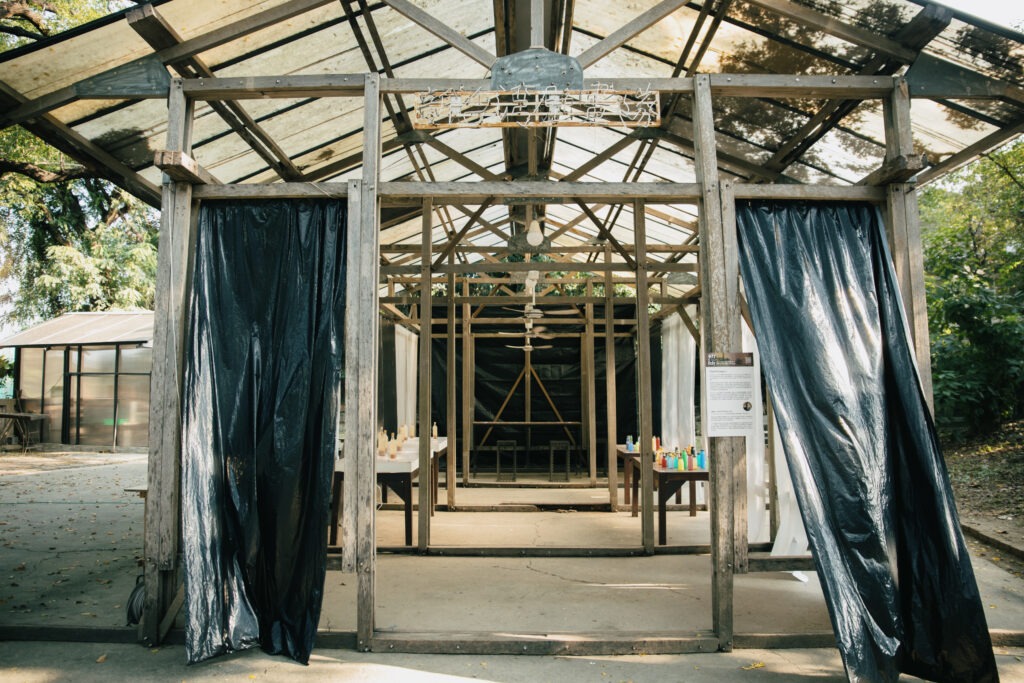
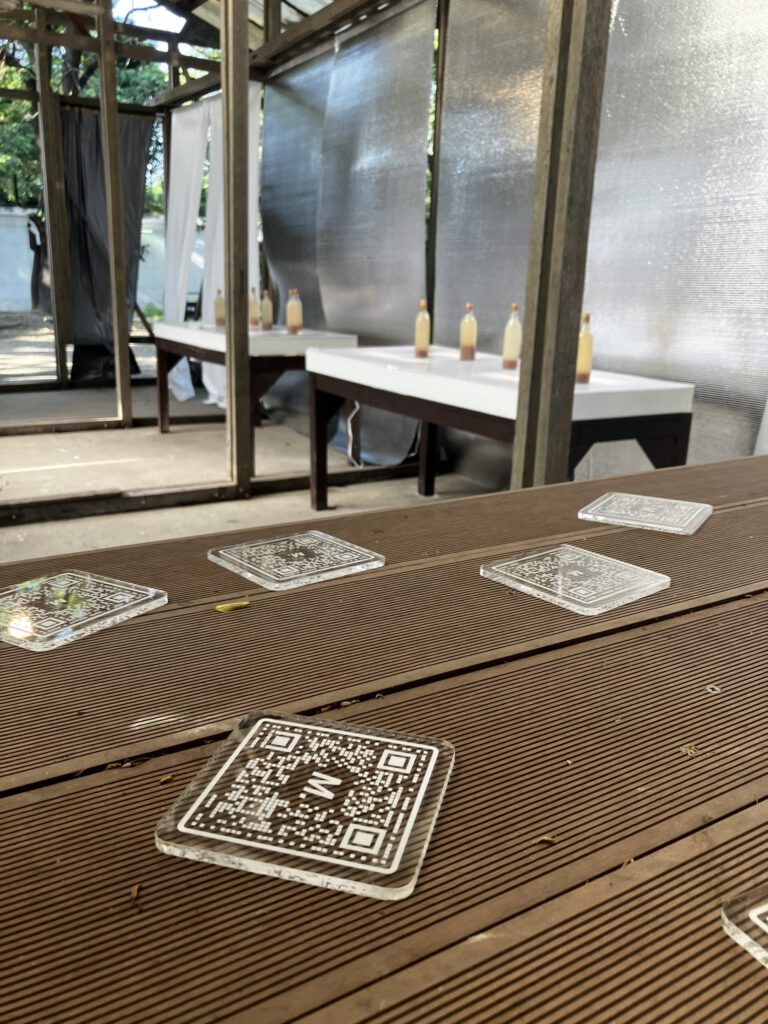
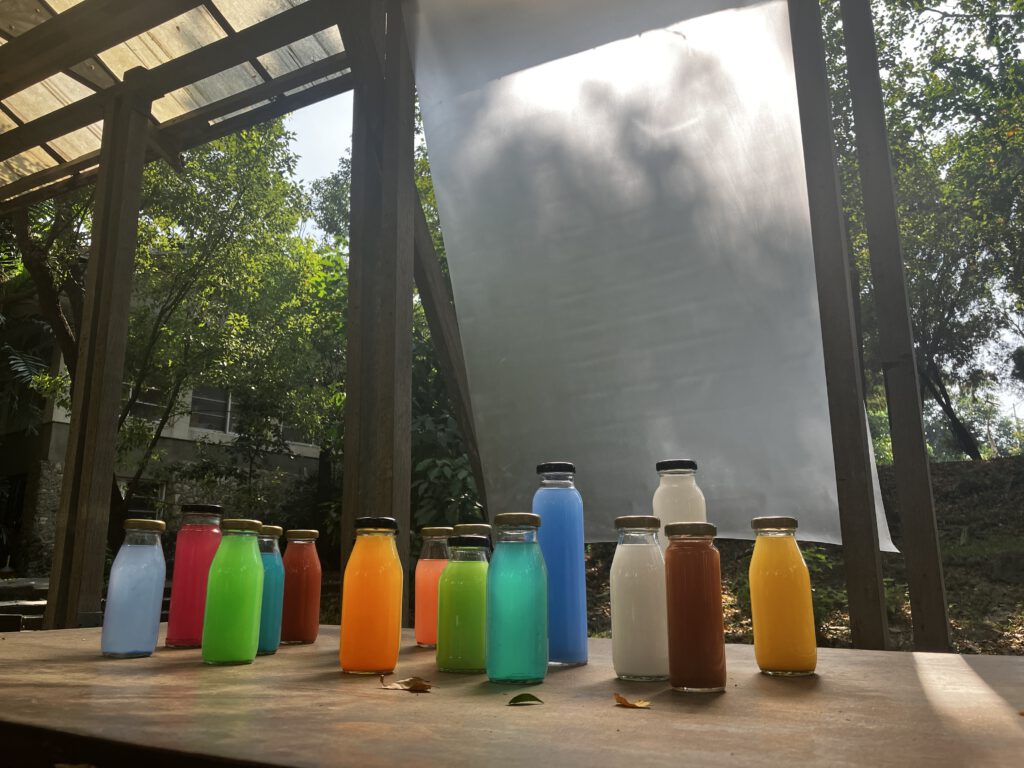
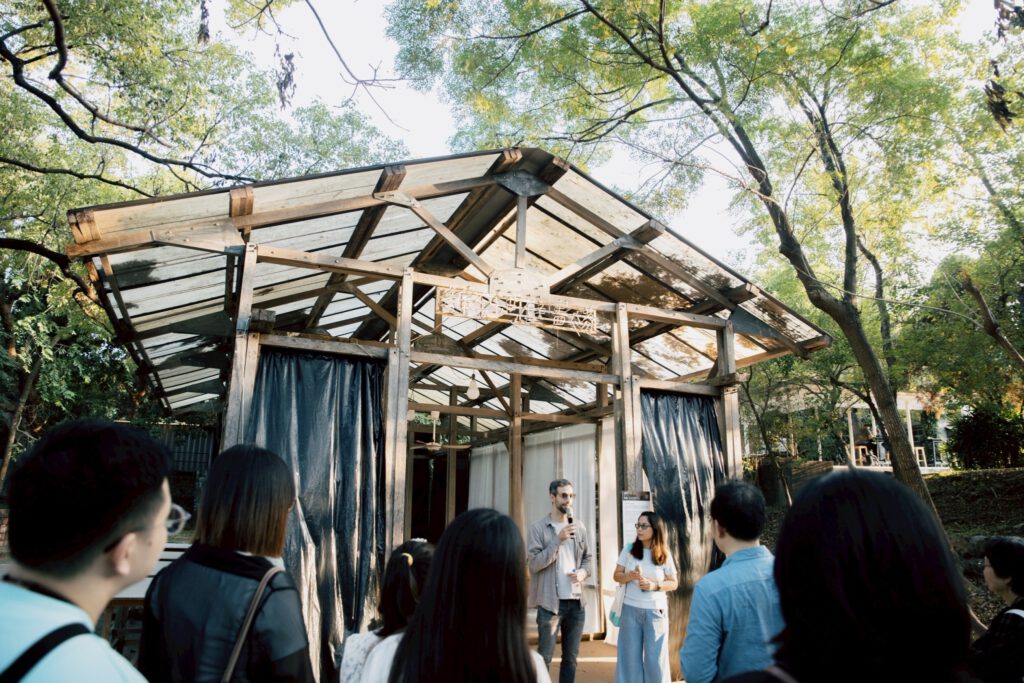
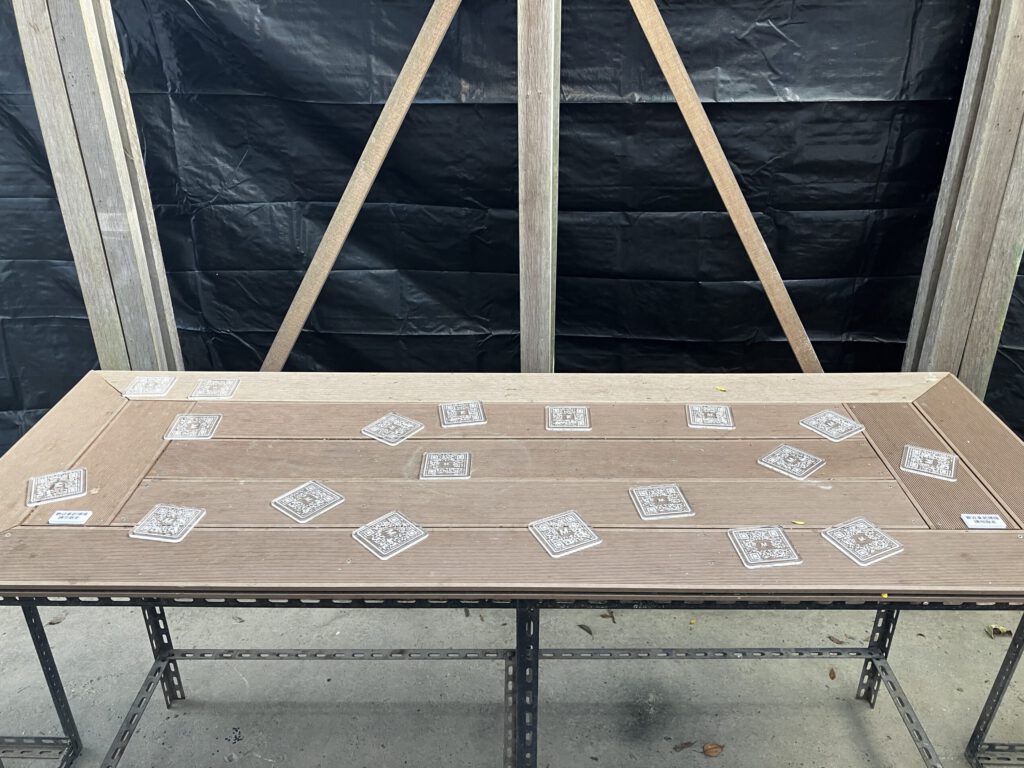
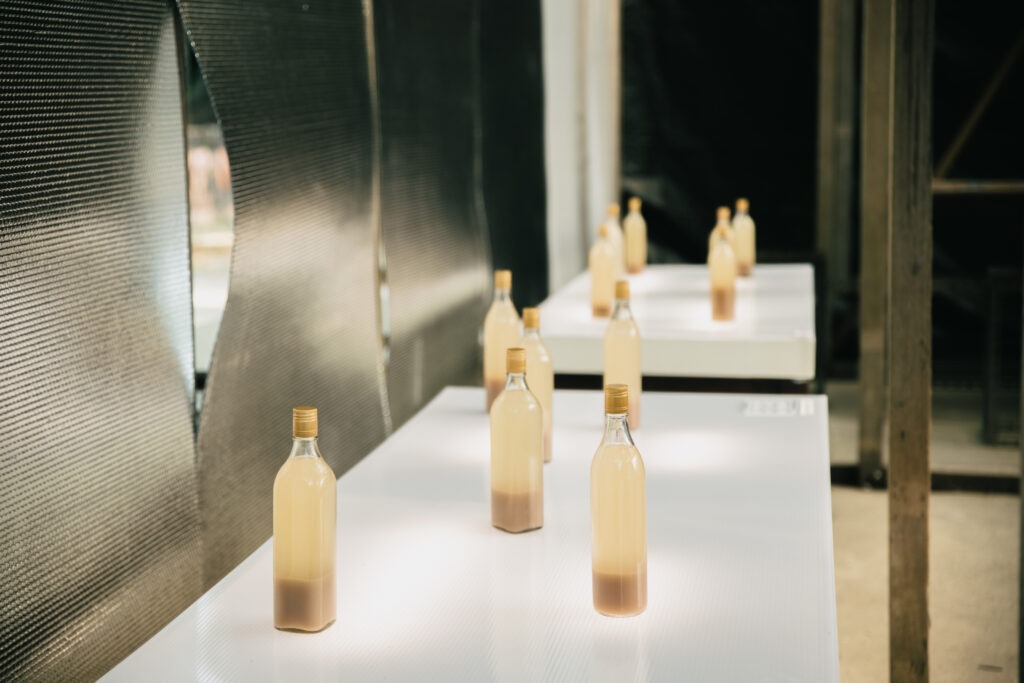
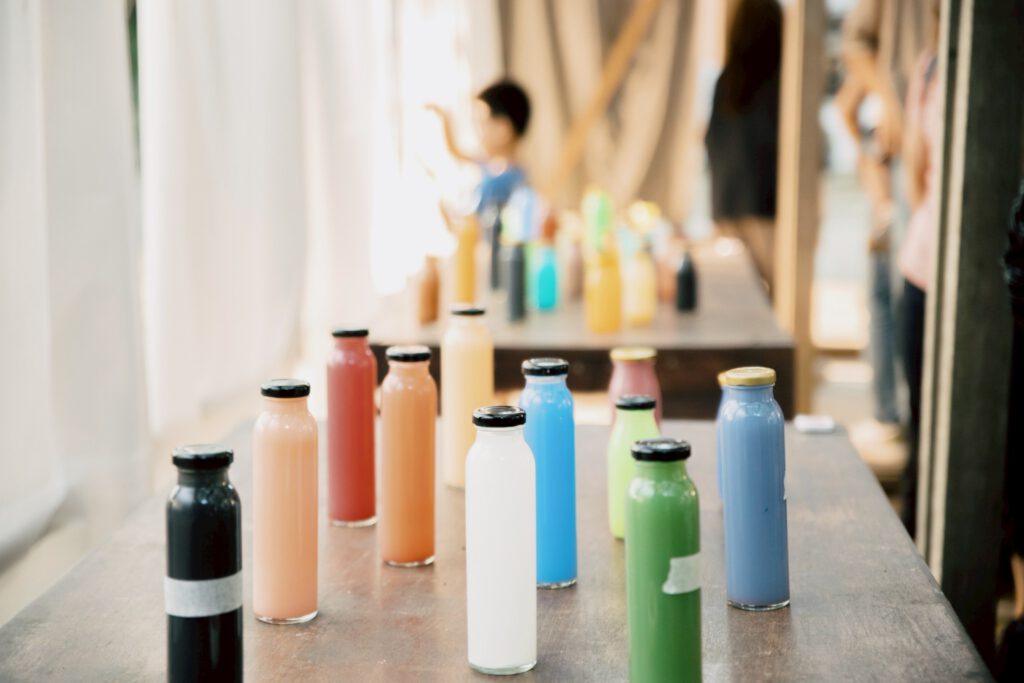
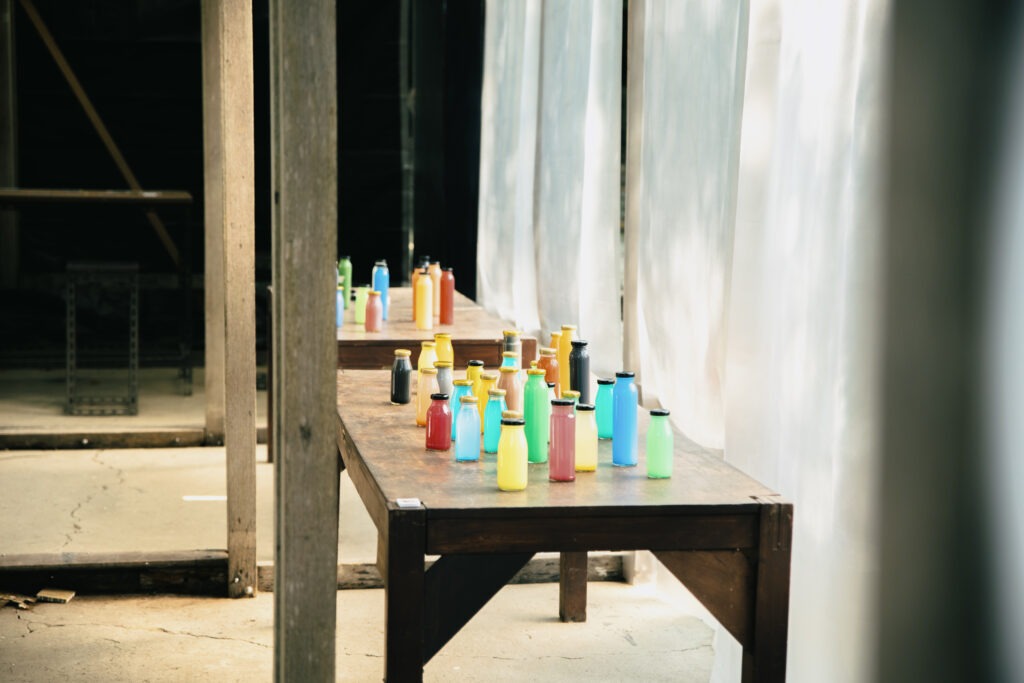
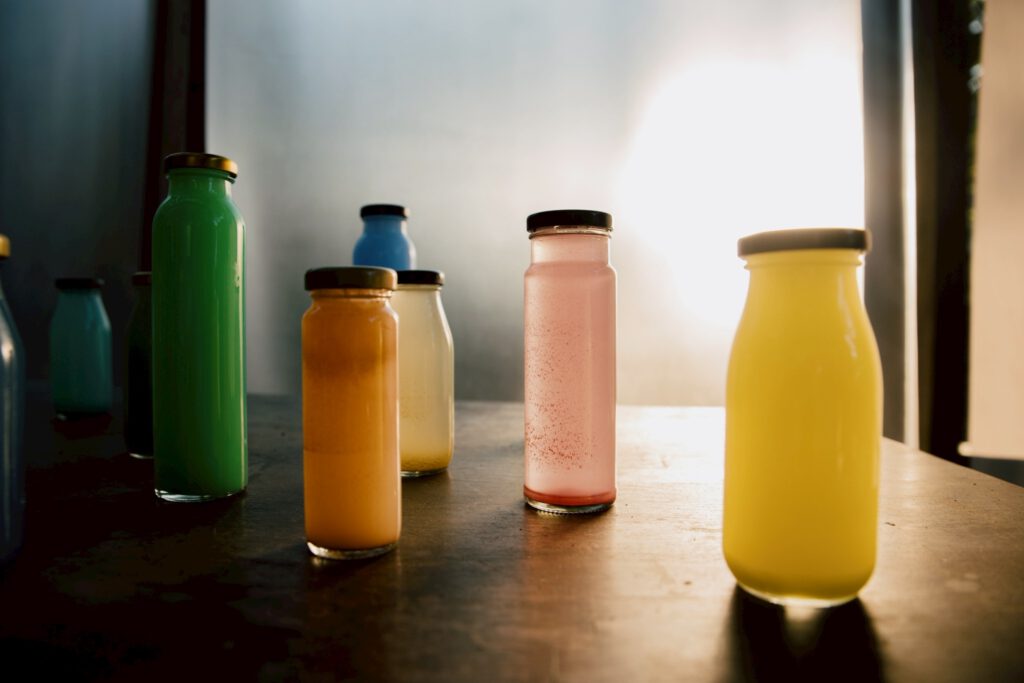
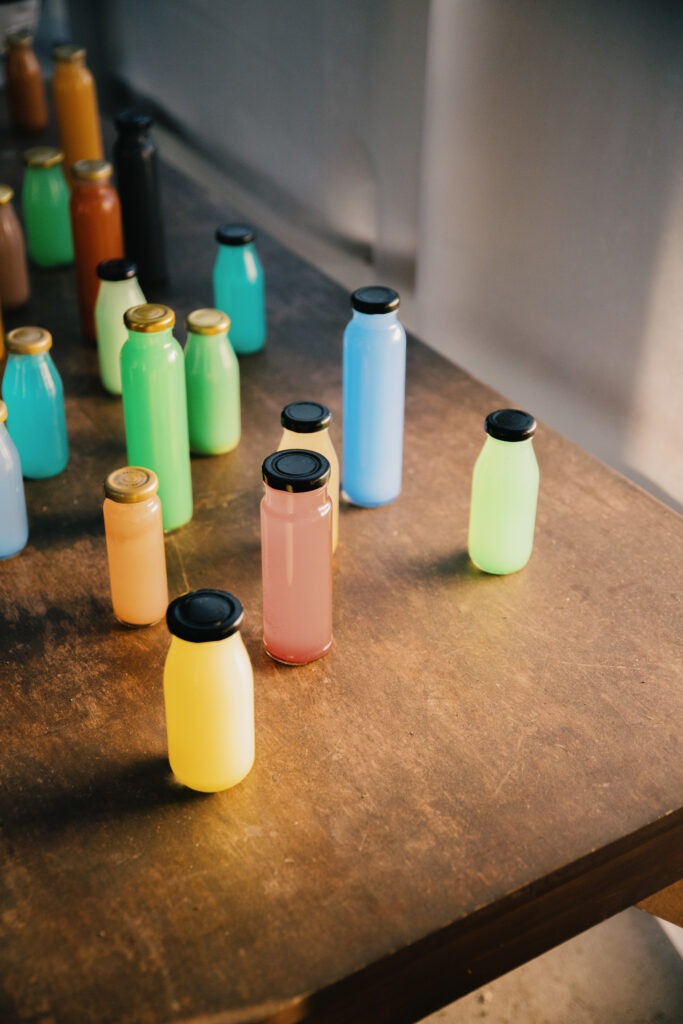
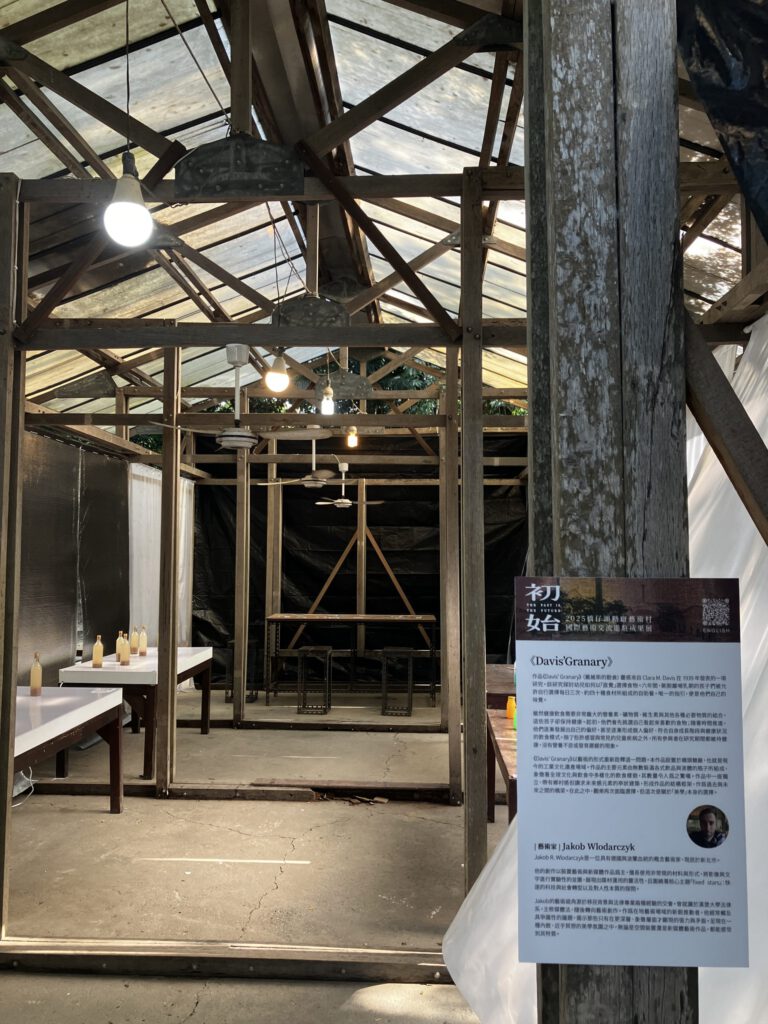
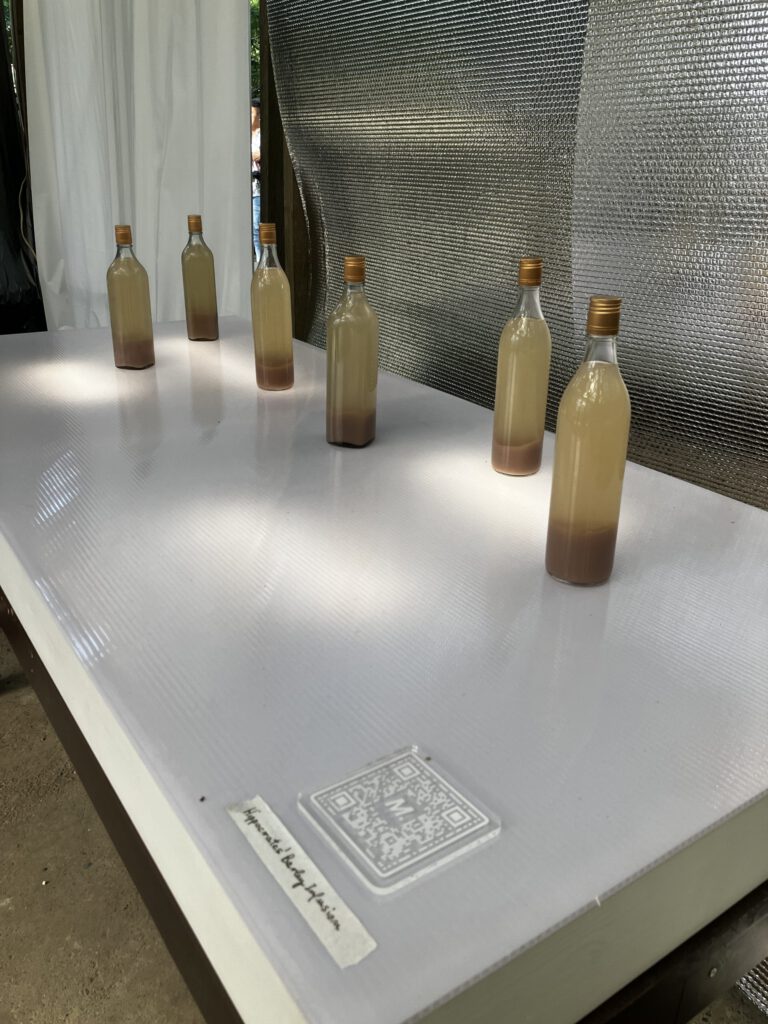
“Davis’ Granary” revisits this question and translates it into an artistic experience. The work is installed on the grounds of the former Ciaotou Sugar Refinery, now an industrial‑heritage site. Its main element consists of countless bottles filled with drinks and liquids, symbolising the boundless cultural and culinary variety of beverages worldwide and initially overwhelming the viewer with their sheer volume. A freestanding, rustic‑styled pavilion – enhanced with futuristic touches – forms the structural framework, acting as a bridge between past and future. Inside, visitors are once again confronted with a choice, this time a purely aesthetic one.
作品《Davis’ Granary》(戴維斯的穀倉)靈感來自 Clara M. Davis 在 1939 年發表的一項研究。該研究探討幼兒如何以「直覺」選擇食物。六年間,剛脫離哺乳期的孩子們被允許自行選擇每日三次、約四十種食材所組成的自助餐。唯一的指引,便是他們自己的味覺。